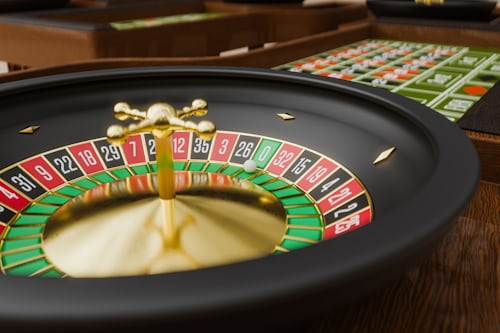
Exploring the cultural significance of gambling across different societies
Gambling has existed for thousands of years, tracing back to ancient civilizations such as the Chinese and Romans. In these societies, gambling was not just a pastime; it played a significant role in social and religious practices. Dice and betting games were often associated with divination, where outcomes were seen as omens or messages from the gods, illustrating how deeply intertwined gambling was with belief systems.
The historical significance of gambling also reflects the social structures of these cultures. In ancient Rome, for example, it was a common practice among the elite to gamble during banquets, which underscored their status and camaraderie. This historical context lays the groundwork for understanding modern gambling’s evolution and its lingering influence on social behaviors across various cultures.
In contemporary times, gambling has transformed into a multi-billion-dollar industry, showcasing a blend of entertainment and economic stimulus. Countries such as Las Vegas in the United States and Macau in China have established themselves as entertainment hubs, drawing millions of tourists eager to indulge in gambling activities. This modern gambling culture often highlights the thrill and excitement of the experience, influencing how societies perceive risk and reward. For instance, players at casino magic can experience a mix of both entertainment and potential financial gain, making it a popular option today.
The growing acceptance of online gambling platforms has also reshaped the landscape, allowing individuals to engage in gaming from the comfort of their homes. However, this accessibility raises questions about responsible gambling and the potential for addiction, prompting many societies to consider regulations and support systems to mitigate risks.
Cultural rituals surrounding gambling vary significantly around the world, revealing how different societies perceive luck, fate, and chance. For instance, in some Native American cultures, gambling is integrated into social ceremonies, where games like poker are played during community gatherings to strengthen social bonds. In contrast, cultures in East Asia may associate gambling with specific festivals, using games as a way to celebrate and unite families.
These rituals often reflect broader societal values, where gambling can symbolize not just entertainment but also economic aspirations and communal identity. Such diverse practices highlight the complexity of gambling, transforming it into a cultural artifact that reflects each society’s unique history and values.
The impact of gambling extends beyond mere entertainment; it can influence social dynamics, economic development, and public health. In regions where gambling is prevalent, there may be increased opportunities for employment and tourism, driving local economies. However, these benefits must be balanced against the potential social costs, including gambling addiction and its associated challenges.
Societies are increasingly recognizing the need for responsible gambling initiatives to promote awareness and support for those affected by gambling-related issues. Educational programs and resources aim to empower individuals to make informed choices, illustrating a growing responsibility to protect vulnerable populations while still enjoying the cultural significance of gambling.
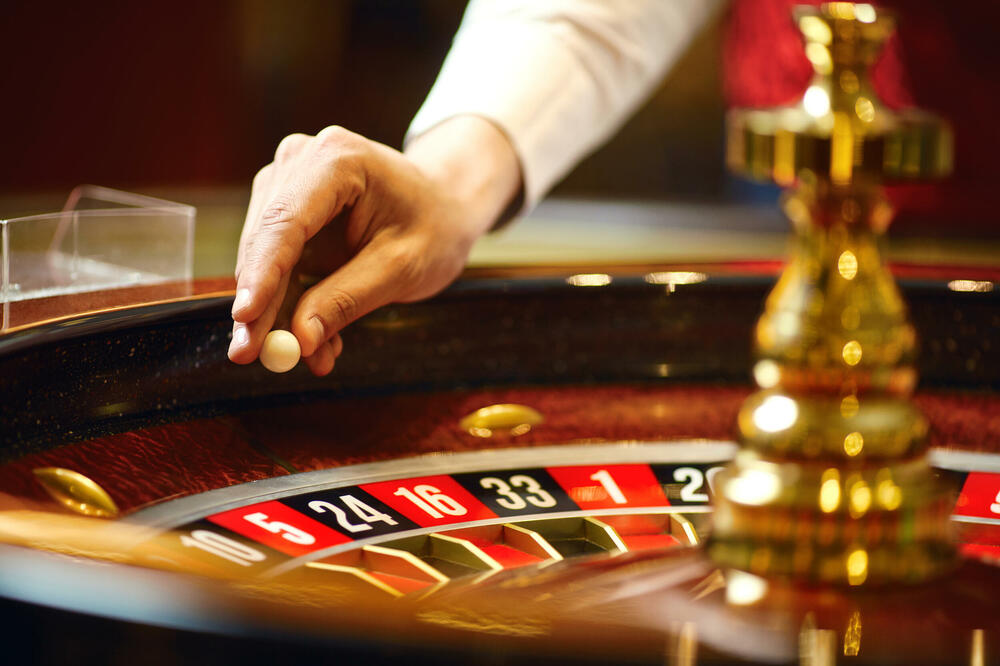
Magic Casino represents the evolution of the gambling experience, merging tradition with modern technology to offer players an exciting journey into the world of online gaming. With a rich selection of over 2,000 games, including slots and live casino options, it caters to diverse preferences, ensuring there’s something for everyone.
The platform emphasizes security and convenience, providing quick transactions and 24/7 customer support, allowing players to enjoy their favorite games with confidence. As part of a responsible gambling initiative, Magic Casino encourages players to engage thoughtfully while enjoying the thrill of gaming, reinforcing the cultural significance of gambling in today’s society.

Managed Office Space & Coworking Spaces as a 360 – degree outsourced workspace solution.